
EPDAS / CONSTRUCTION & MATERIAL HANDLING
Equipment for lifting, handling and concrete production
Explore EPDAS telehandlers, forklifts and concrete batching plants. Start with the equipment category and discuss your operating requirements.
01 / EPDAS
Compare equipment categories and source-backed specification ranges before discussing your application.
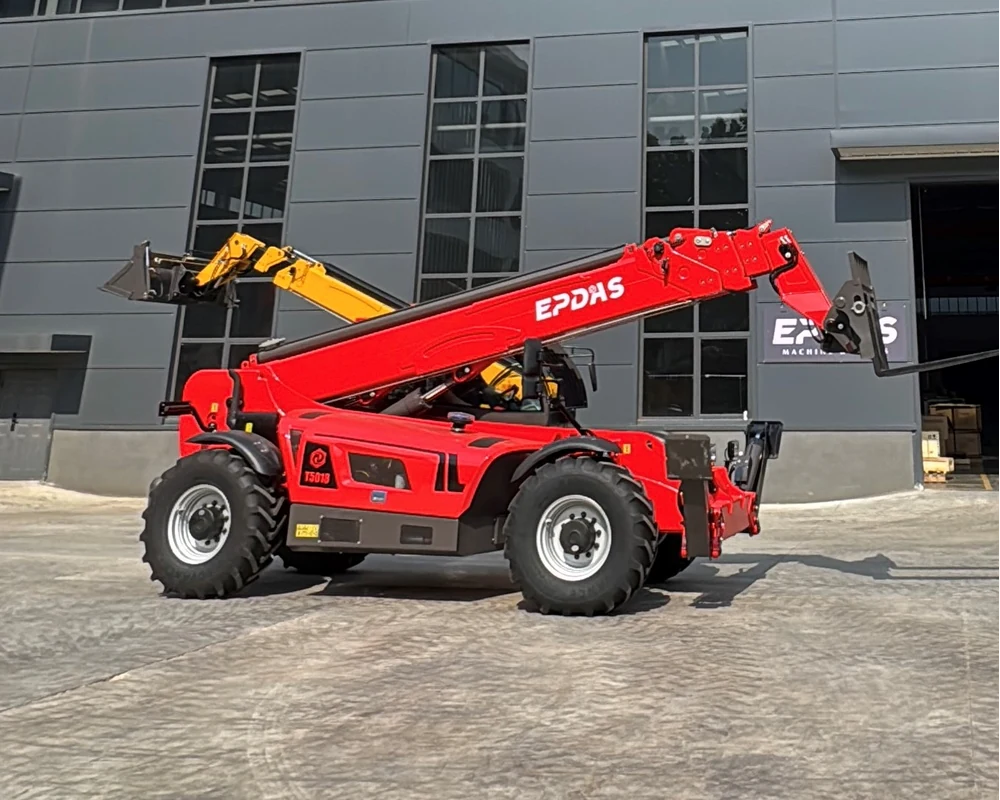
Category photograph
01With & without outriggers
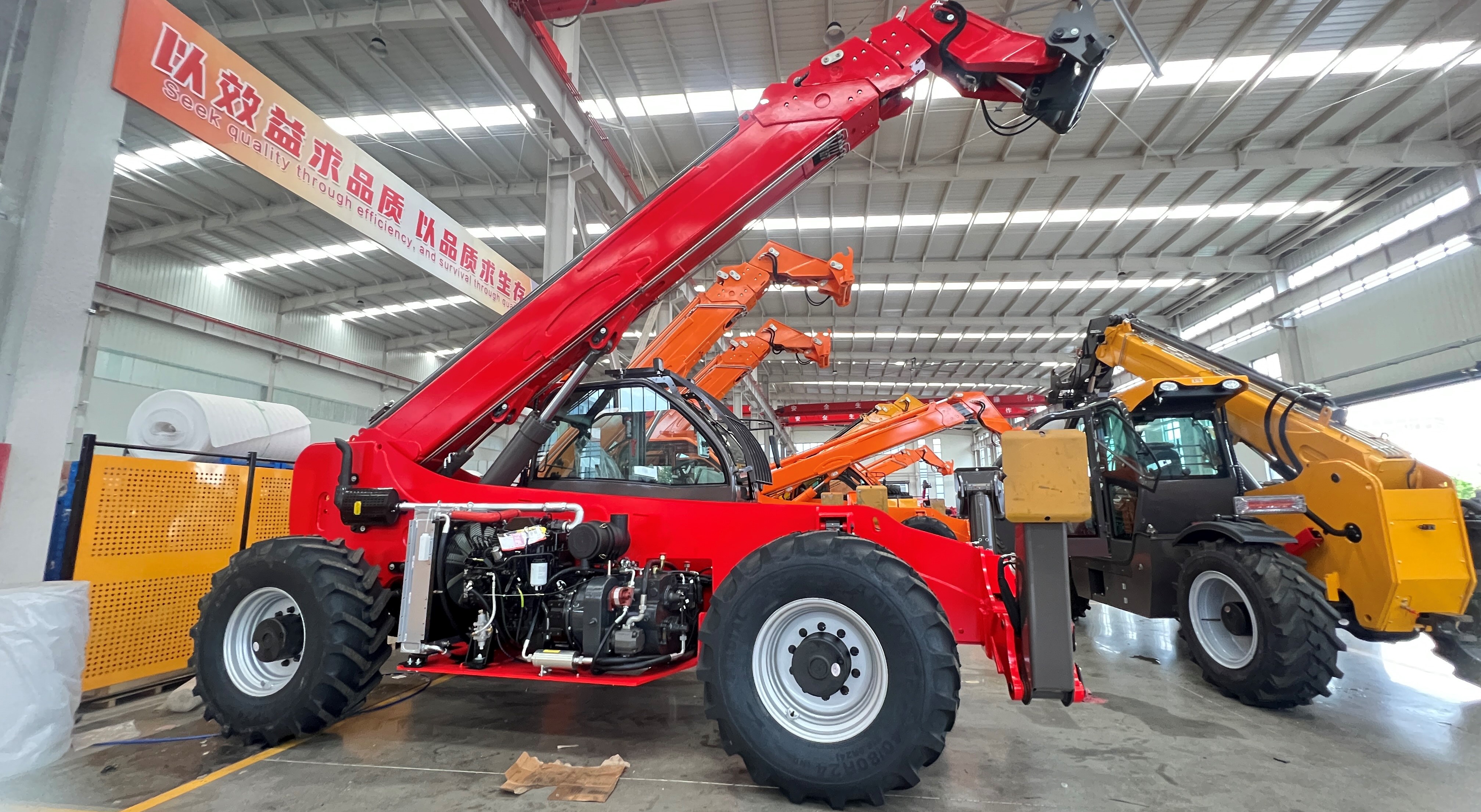
Compare lifting capacity, height and equipment configuration.
The supplied model table includes four models without outriggers and five with outriggers. T5018 is listed with a maximum capacity of 5 t and a maximum lifting height of 18 m. These are separate maximum values; the operating load chart is still required.
Pending confirmationModel-specific load charts, attachment ratings and emissions options require confirmation.
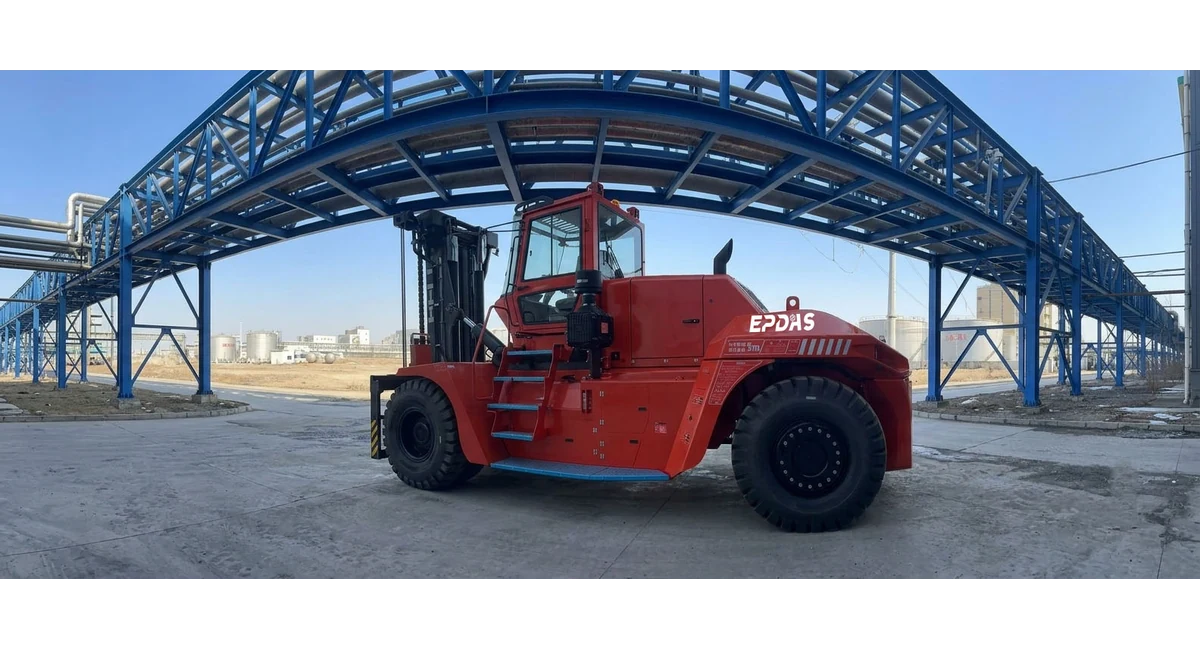
Category photograph
02Diesel & electric
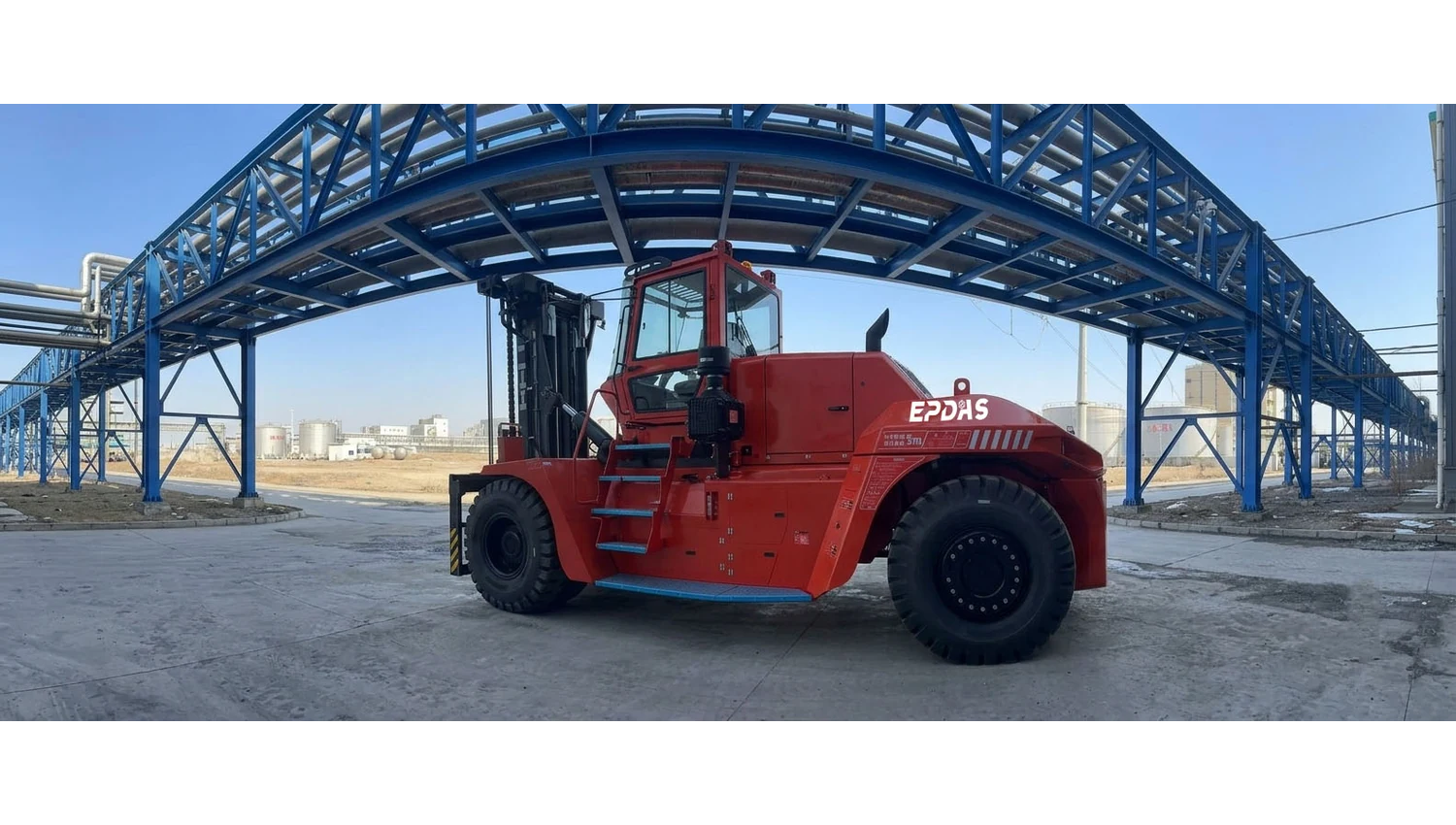
Equipment for loading, stacking and short-distance handling.
The supplied tables contain eight diesel and six electric models. Model K35 is listed with a rated capacity of 3,500 kg and a standard lift height of 3,000 mm. Electric configurations in this source table specify lead-acid batteries.
Pending confirmationExact model photographs and optional configurations require confirmation. This photograph represents the category.
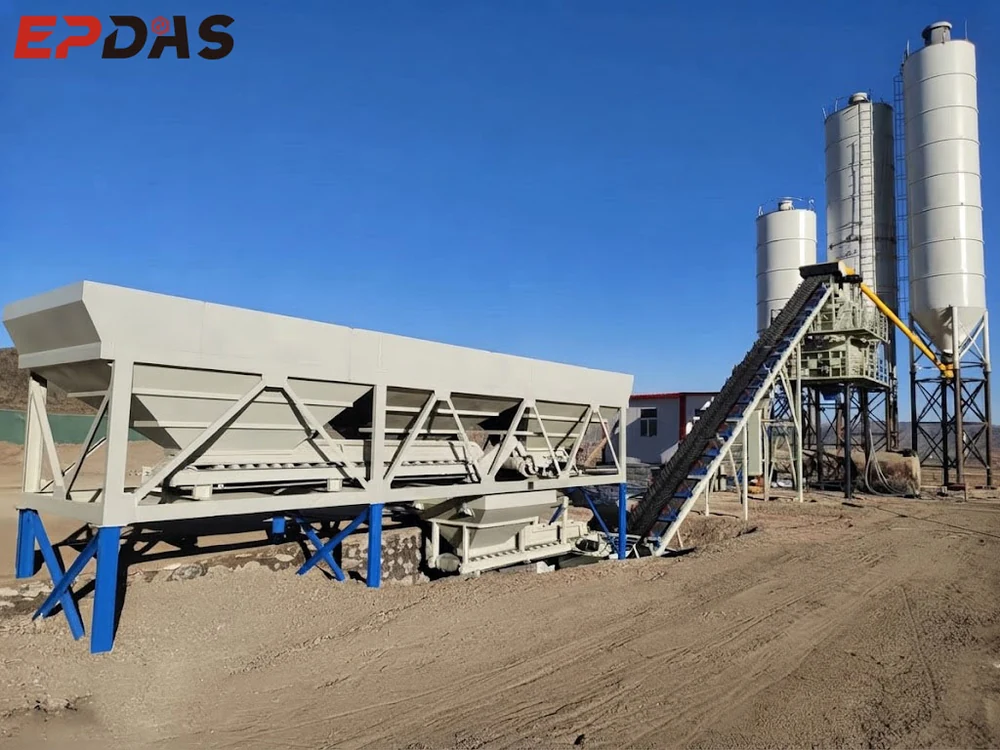
Category photograph
03Stationary · bucket & belt
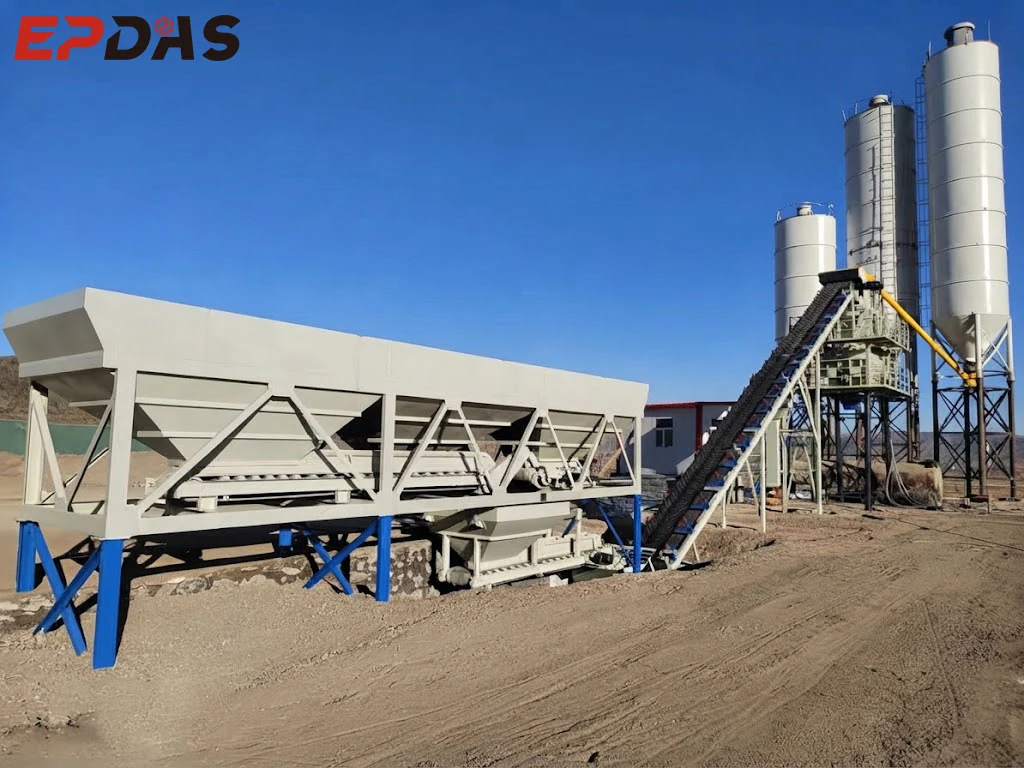
Compare stationary plant models for concrete production.
The supplied table lists four bucket-fed and six belt-fed stationary plant models. HZS60 is listed with theoretical productivity of 60 m³/h, a JS1000 mixer and belt feeding. Actual output depends on operating conditions.
Pending confirmationExact model photographs, site layout and configuration require confirmation; theoretical output is not a production guarantee.
Ranges cover multiple models. Maximum load and maximum height are separate values, not simultaneous operating ratings. Batching output is theoretical. Category photographs do not establish an exact model configuration.
Concrete pumps · Self-loading concrete mixers · Skid steer loaders
Detailed model specifications are pending confirmation.
02 / EPDAS
EPDAS supplies telehandlers, forklifts, concrete batching plants, concrete pumps, self-loading concrete mixers and skid steer loaders.
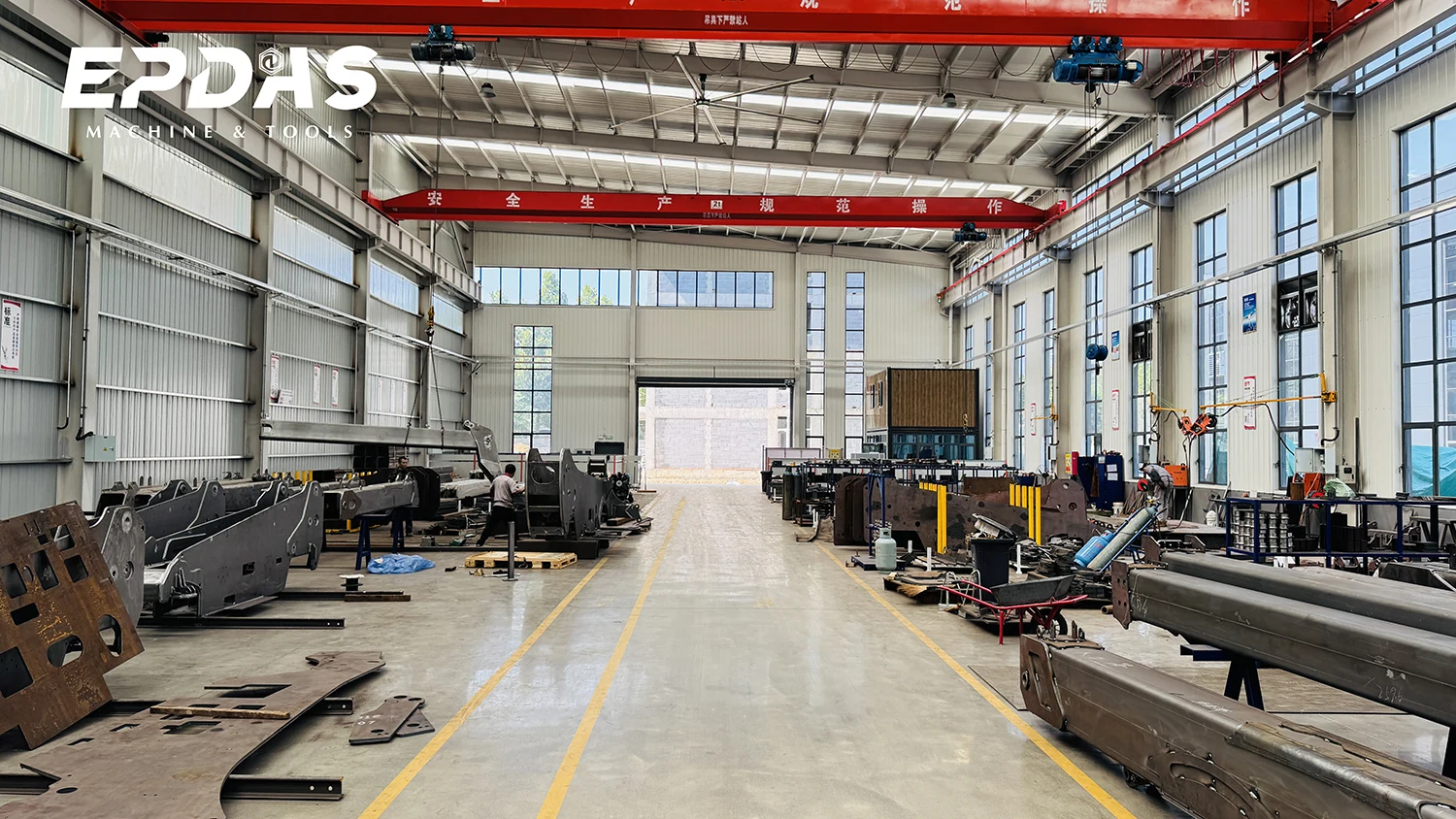
The company materials describe manufacturing bases in Shandong for concrete batching plants, telehandlers and self-loading concrete mixers, and concrete pumps and spider booms.
Company materials name Serbia, Canada, Mexico, Venezuela, Chile, Australia, Singapore and the Philippines among the markets served.
Pending confirmationLegal entity relationships, the scope of the 2010 founding date and quantified company capacity remain pending confirmation.
03 / EPDAS
Three questions to make your equipment inquiry more precise.
Start with the load, output, height or handling task. Compare the relevant model values and their operating conditions.
Discuss dimensions, power, terrain and attachments. Options and compatibility need to be checked for the selected model.
Request the specification and applicable documentation for the actual configuration and destination.
Equipment details matter more than a single headline figure.
Discuss your requirements04 / EPDAS
Begin with the job, then compare the relevant equipment range.
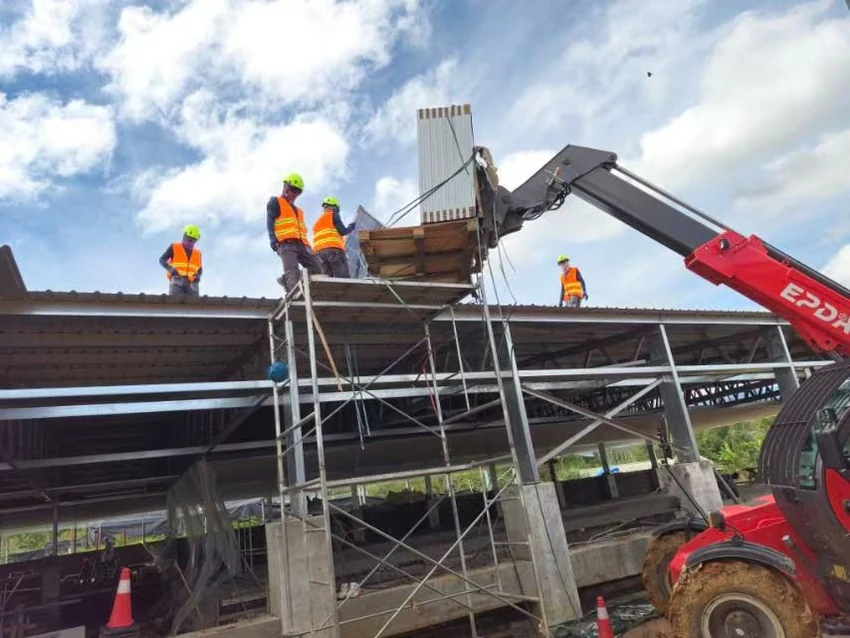
Consider pallet loads, lift height, travel space and power configuration.
Explore equipmentCompare theoretical output, aggregate feeding and mixer configuration.
Explore equipment05 / EPDAS
Bring the operating conditions into the conversation.
Tell us the equipment category, destination, working environment and required load or output. Use the model data as the starting point for your inquiry.
Start an equipment inquiry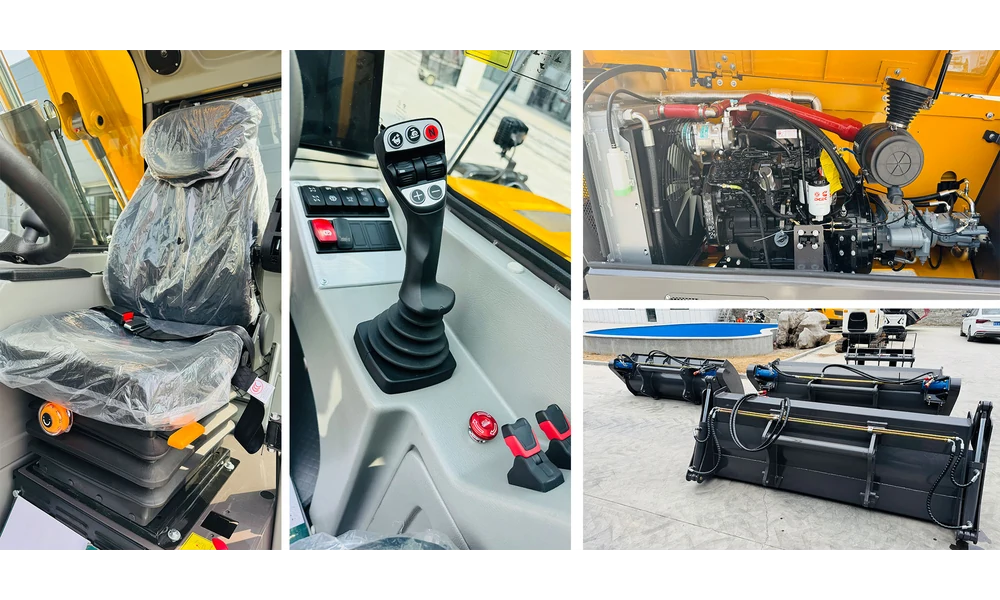
Pending confirmationInstallation, warranty, spare-parts availability, lead times and service response terms have not been confirmed.
06 / EPDAS
Selection and maintenance topics from the supplied technical articles.
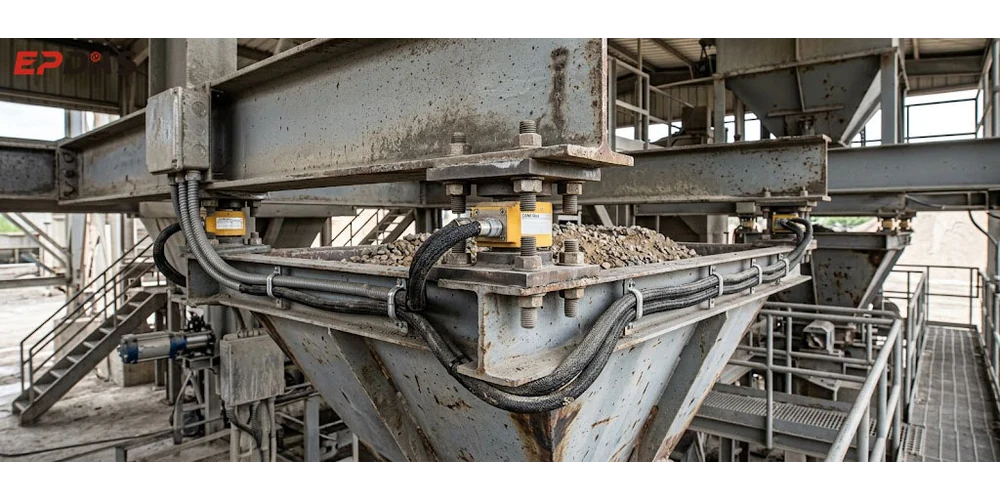
A systematic way to investigate weighing, discharge, conveyor and control-system faults.
Start with the symptoms and operating conditions. Check the material flow, mechanical condition and signal feedback before deciding which component needs attention.
Consider load, working height, reach, terrain and attachments when comparing equipment.
Define the required load and working conditions first. Maximum lift height and maximum rated capacity are not interchangeable operating values; check the applicable model's load chart.
Pending confirmationSome figures in the original guide require verification and are omitted from this summary.
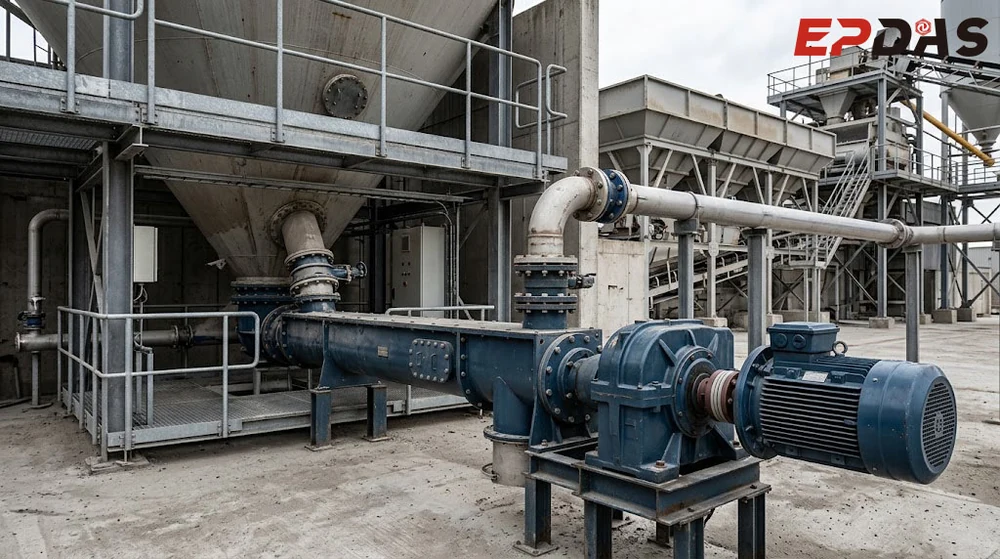
Separate the conveying mechanism from the measurement method when comparing feeding systems.
A screw or belt describes the conveying mechanism. Volumetric or gravimetric feeding describes how the output is measured and controlled. Selection depends on the material and operating conditions.
07 / EPDAS
Confirm the document, holder, model and configuration together.
TELEHANDLER / TECHNICAL DOCUMENTATION
The supplied certificate concerns technical documentation verification for listed telehandler models. It states that it does not replace an EC Declaration of Conformity.
Pending confirmationThe relationship to the website operator and applicability to each offered model require confirmation. No all-product certification claim is made.
ENGINE / EMISSIONS DOCUMENTATION
The supplied engine approval documentation names the WEICHAI WP3.6NGE68 family. This does not establish the certification of every complete machine.
Pending confirmationThe engine-to-machine configuration and applicable market documentation need confirmation.
Ask which documents are available for your selected equipment.
Discuss document requirements08 / EPDAS
Start with your equipment and operating requirements.
Include the load or output, working conditions and destination. Configuration and availability can then be discussed for the selected equipment.
Contact details are supplied by the company. Response-time commitments are not confirmed.
EQUIPMENT INQUIRY
Share your equipment and operating requirements.
Open the inquiry section